On the taste of cherries
21 Feb 2026
8 minute read
Taste of cherry (1997) is probably my favorite movie, at least as of writing. If you haven’t watched it yet, consider going and watching it and then coming back to this piece, because I’ll be discussing the plot, and I wouldn’t want to corrupt your experience with my words.
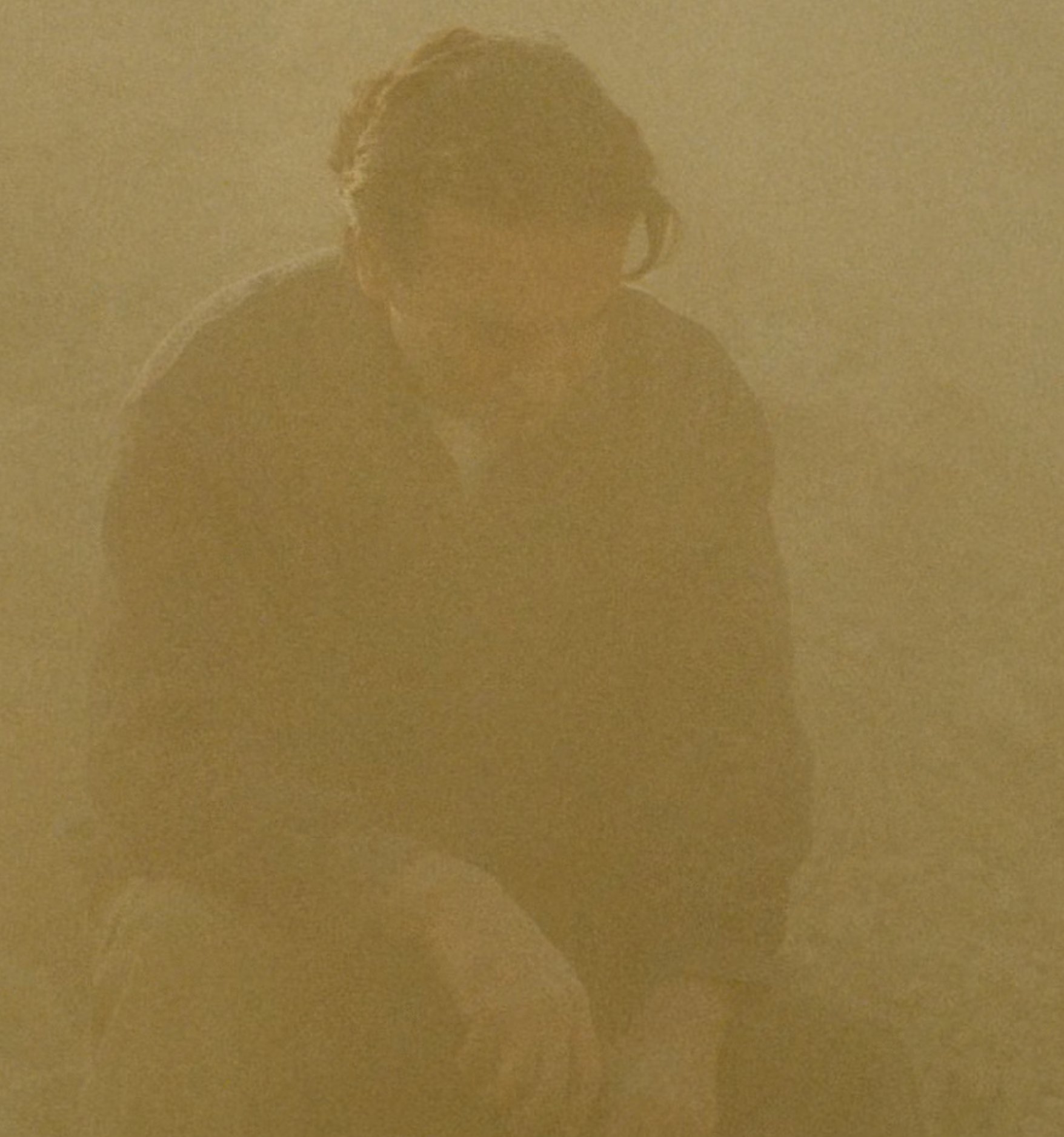
Taste of cherry is a movie about a man, Badii, driving around Teheran, looking for someone to help him kill himself. Why? We don’t know. He wants them to check in on him, the following day after he takes his, check in on this body in this hole he has made next to a cherry tree. If he is alive he wants to be pulled out, and if not he should be buried.
Why does he want to die? We do not know.
In an interview, Abbas Kiarostami, the director, says that his favorite movies do not overwhelm the viewer. He seeks a movie that the viewer could nap to, and yet find themselves thinking and feeling for weeks because of it.
This movie has that slowness to it that might put some to sleep. But when I watched it I was struck. And I find myself thinking of it, now, 2 years after, and rewatching it 2 weeks ago. Taste of cherry is one of the first movies that made me serious about movies. That heightened my bar for what a movie could make me feel, and how much I should pay attention to a movie. To what it is trying to give me. To the lives behind its frames.
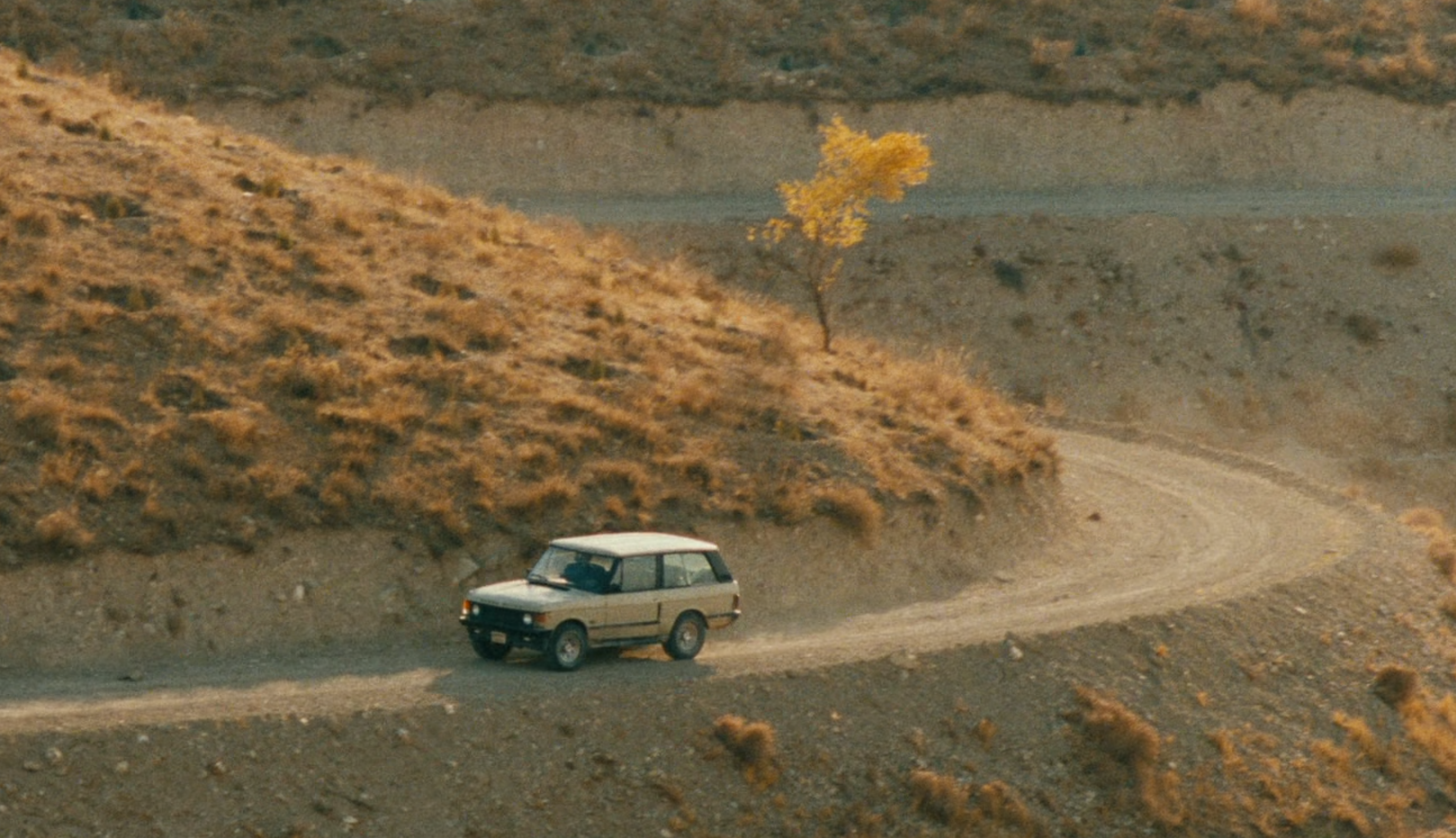
This movie mostly follows Badii as he drives, finding people to drive around in his car, begging them to help him end his life. The frames are simple. The day slowly rises and fades into night. The colors are pretty. But Badii demands attention.
He stares at the world with a deep attention. The attention of someone who is desperately looking. Looking for an ending. But that’s something we learn at the start of the movie. What we realize throughout is that his stare yearns for connection. He is truly seeing these people, trying to understand them, understand where they come from, who they are, what animates them, and only then asking of them one thing: that they help him end his life.
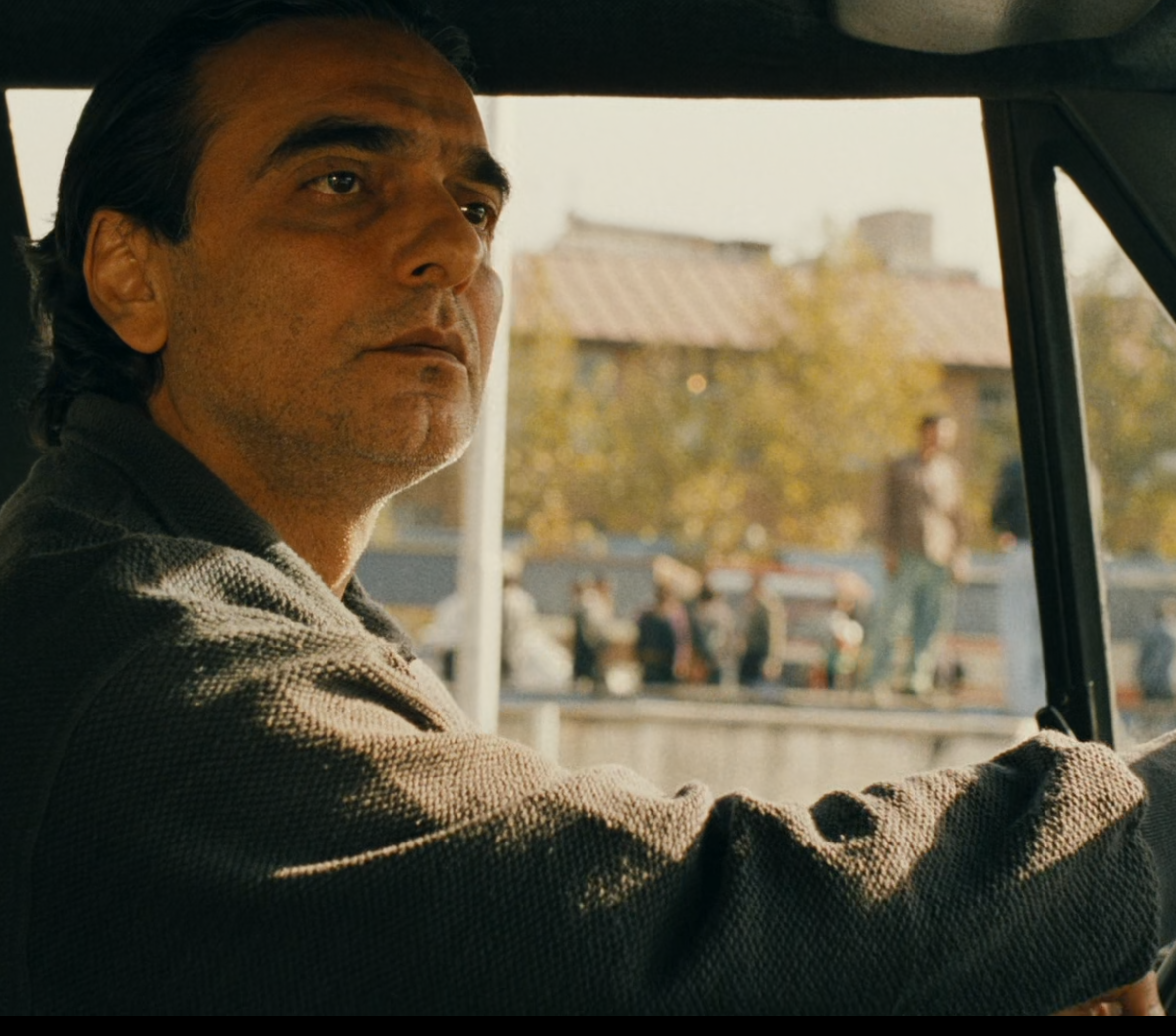
— You’ve never seen a gravedigger? — No, never. — I’m not a gravedigger. — I don’t bury people. — I know you’re not a gravedigger. If I’d wanted one, I’d have fetched one. It’s you I need. You’re like my son. Help me.
He wants to end his life with the help of someone he feels connection to. Not a gravedigger. He is hesitant, afraid, unsure of whether or not he should be saved. He drives around this solemn landscape alone, and encounters these characters, the Kurdish soldier. The seminarist. The old Turkish taxidermist. He seeks to understand their lives. Not just for his sake. But because he believes in doing so.
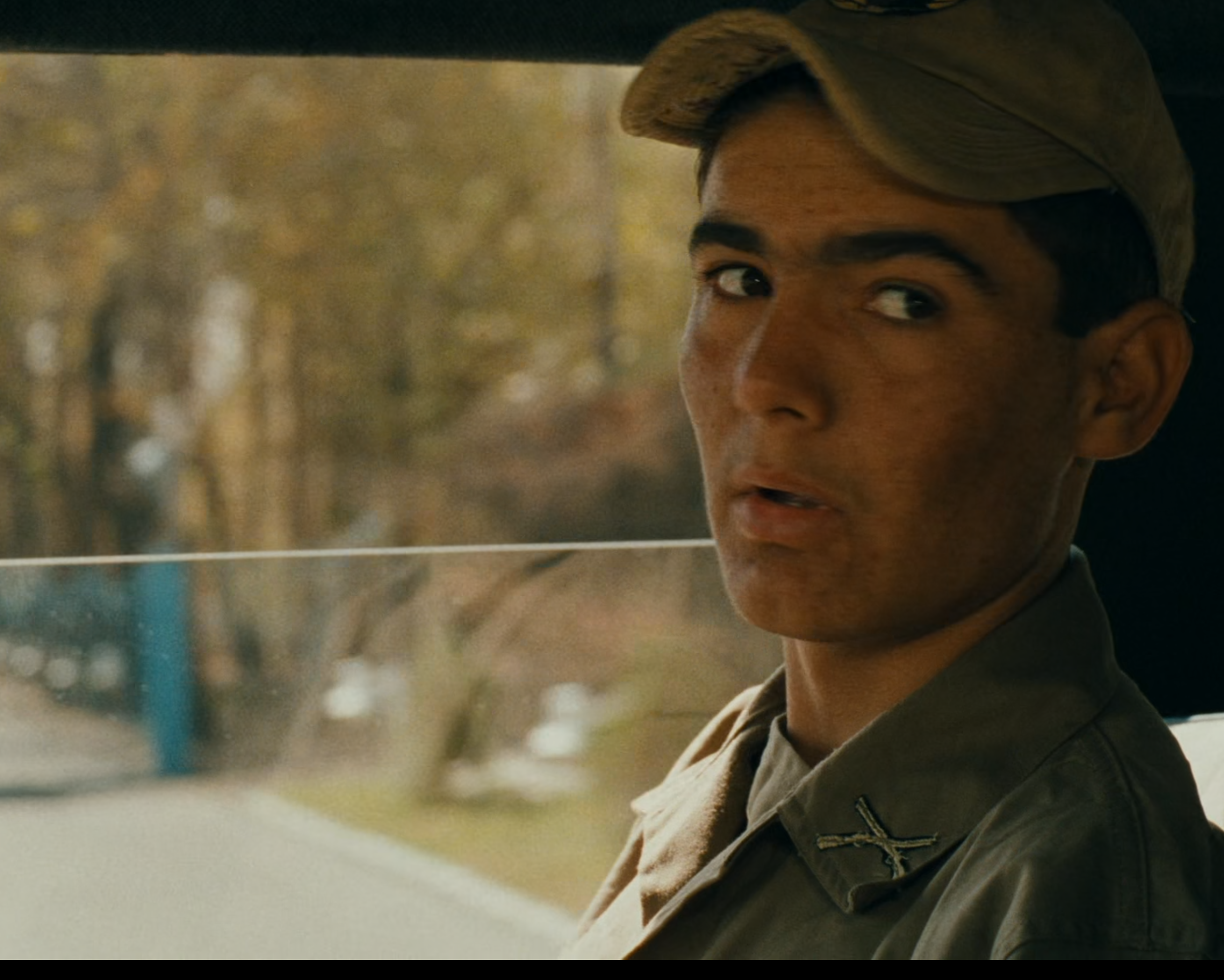
The dialogues are simple. Oscillating to Badii. Oscillating to the face of the visitor he has invited to his car. Kiarostami, actually was in the back of the car, observing all the interactions as they were filmed. The camera emphasize the faces. Gives them the time. Lets them roll against the beautiful arid landscape.
The attention with which Badii stares at their faces is beautiful. But it is not pure. It is self-interested. It comes from an intense need for relief. A very human need to escape a deep pain. Badii is desperate for a cure. Not necessarily suicide, but he needs help. He needs to be seen, but he also feels like he cannot be understood. He refuses to be, his pain is too complex, too rich, too intense. He tells the taxidermist his pain cannot be understood, and we never hear his story. But we see how he is struck by the lives he draws from the road. How he wishes they could deliver him of his suffering.
On my first watch I viewed Badii as a kind character lost in desperation. I still do. But on my second watch I saw more of his dark side. How his desperation causes him to denigrate the very people he seeks to connect with. How he tries to use his wealth and power to pressure a young boy into helping him die, or how he refutes the young and idealistic seminarist because of how much he wants to be done.
Badii watches the world from a place of deep need. The acuity of this need makes him see these faces as the only thing that can free him, with a raw intensity of observation. The intensity is a testament to how precious, that connection, that life is. But its source is destructive. At times, Badii respects the people and the cherries he is given insofar as they are his only exit from his own hell, and so he is willing to use them. To try and force them down his throat.
But we love him, for how much he tries to understand them, so close to death, and yet so much more attentive to life than so many of us. And so we can love him in his suffering, his vulnerability. With the taxidermist, who agrees to help him, he is much softer. They agree on the deal, and he drops him off, and then rushes back and bothers him at his job, to talk to him him, again, and ask simply: How are you.
He aims to share another moment with this man, this taxidermist who has just begged him to change his mind and choose to stay alive. The taxidermist tells him of mulberries, of his own struggle with suicide. Of how precious life is. And Badii is afraid. He wants to cling to it, he is hesitant, he asks the taxidermist to make sure he is alive, to throw a stone, two, three maybe, and save him the next morning if he moves.
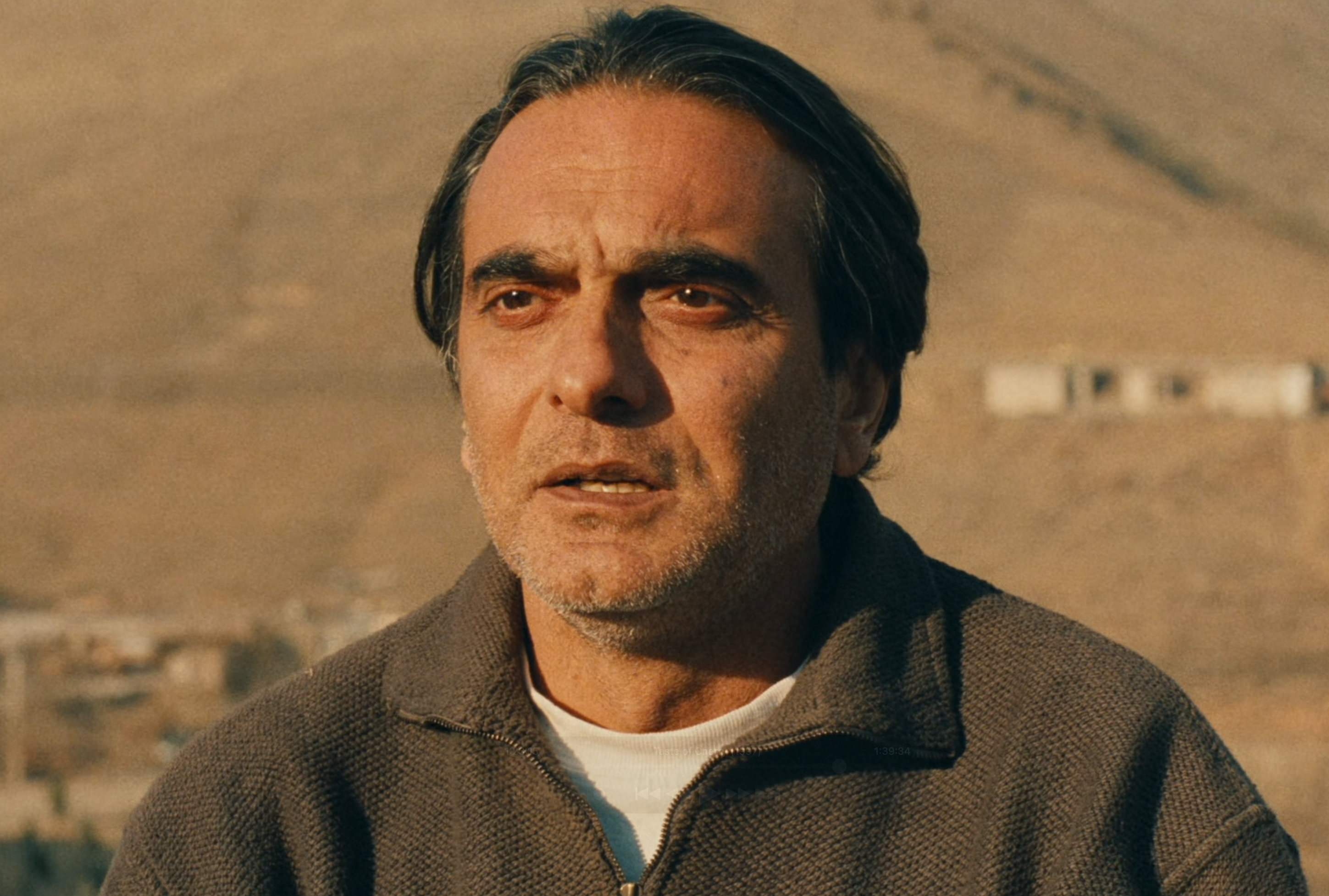
That fear of death comes back at the same moment Badii most intensely feels he can connect to the taxidermist. Feels some immense desire to see and to be seen, to get to know this man who will help him die, who needs the money he is offered to heal his daughter, who cares enough to listen and wants him to survive.
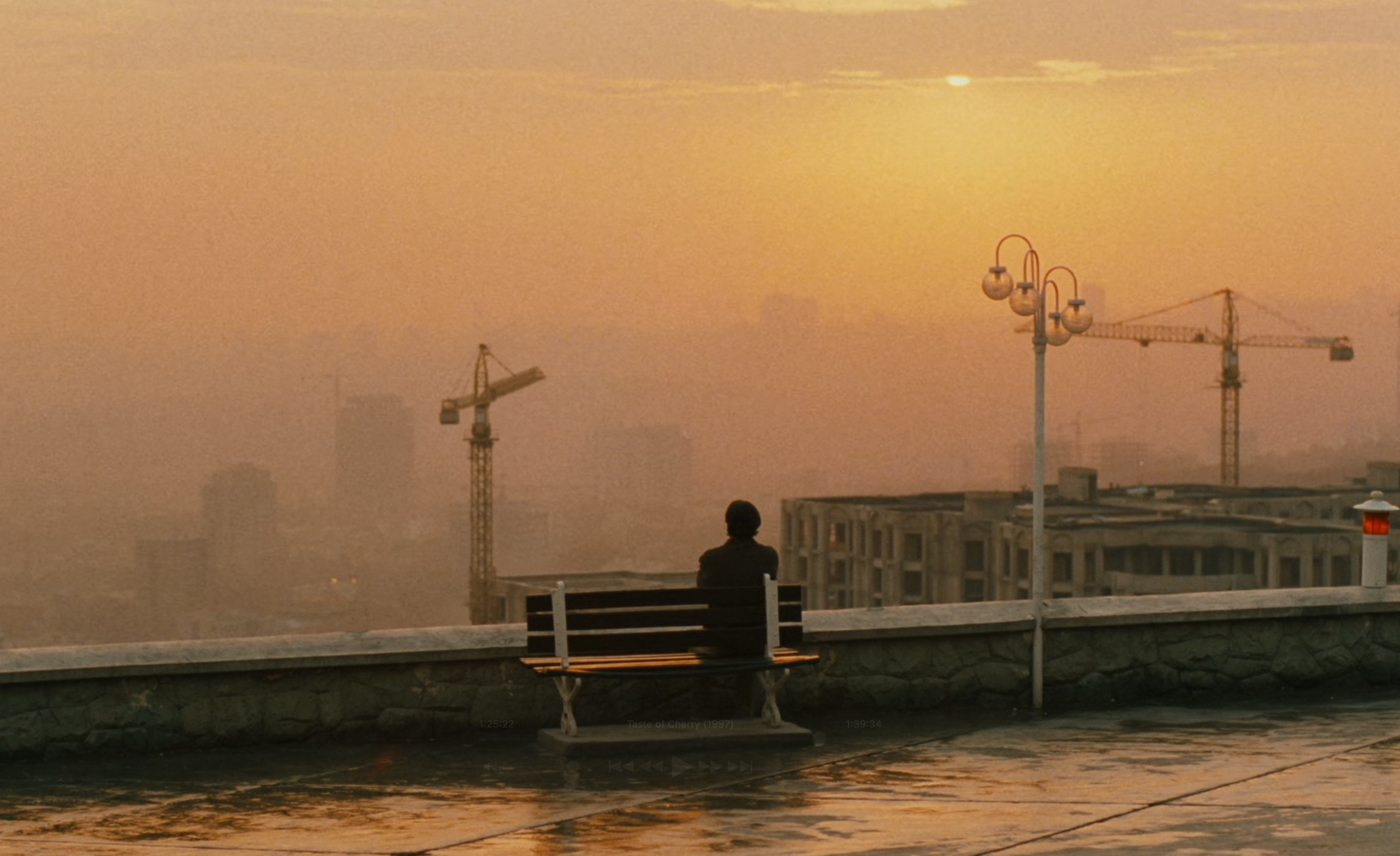
I have never had suicidal thoughts. I have walked the world sometimes, and looked at people’s faces, and wondered at what lay behind them. I have looked with a savage intensity at their faces. I kept looking. I looked at new faces. I tried to really see. I found them beautiful.
But I also looked at them because I wanted something. I needed something, I was hungry. Hungry for the taste of cherries. hungry to feel and to be felt in the same way.
I could call that partial cause for the attention impure, selfish, undeserving of the beauty of the gaze itself, of the face which graces it. But I am not sure, nowadays, if that notion of purity is useful.
I feel that this need is very human. Maybe not enlightened, but human. We are brought to the other as an observer, an appreciative observer. We are brought to them because we lack something, and that lack makes us open and so sensitive to who they are.
And then maybe it is with that which is observed, as we stop watching and begin playing, that we can break that hunger, taste the cherry and feel whole again, holding on still to that marvelous appreciation of what it is to stare at someone, stare at their dilated eyes and try to understand who they are. Try to learn their beauty without reducing it to our satisfaction.
I was so fed up with it that I decided to end it all. One morning, before dawn, I put a rope in my car. My mind was made up, I wanted to kill myself. I set off for Mianeh. This was in 1960. I reached the mulberry tree plantations. I stopped there. It was still dark. I threw the rope over a tree but it didn’t catch hold. I tried once, twice but to no avail. So then I climbed the tree and tied the rope on tight. Then I felt something soft under my hand. Mulberries. Deliciously sweet mulberries. I ate one. It was succulent, then a second and third. Suddenly, I noticed that the sun was rising over the mountaintop. What sun, what scenery, what greenery! All of a sudden, I heard children heading off to school. They stopped to look at me. They asked me to shake the tree. The mulberries fell and they ate. I felt happy. Then I gathered some mulberries to take them home. My wife was still sleeping. When she woke up, she ate mulberries as well. And she enjoyed them too. I had left to kill myself and I came back with mulberries. A mulberry saved my life.
Copyright © 2019-2026 uzpg
